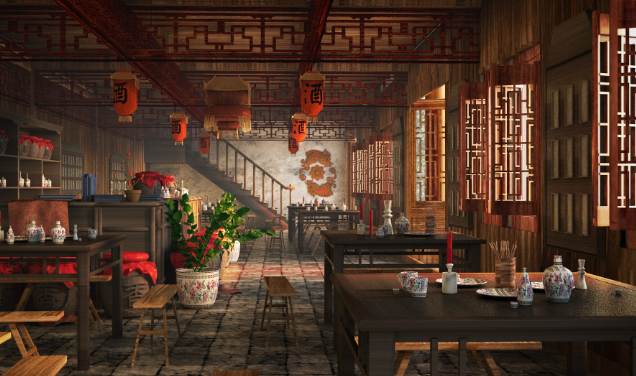
Chinese restaurant plates can tell stories through ingredients, cooking techniques, regional customs, and flavors passed from one generation to another. A meal may feature delicate dumplings, fragrant noodles, roasted meats, fresh seafood, colorful vegetables, and carefully seasoned rice, with every dish offering a different glimpse into Chinese https://www.newhongkongchineserestaurant.com/ culinary heritage. Traditional recipes continue to influence modern restaurant menus, while regional cooking styles create remarkable diversity across the cuisine. The experience becomes even more meaningful when diners share dishes and explore several preparations together. Instead of focusing on one flavor or ingredient, guests can discover how Chinese cooking balances aroma, texture, seasoning, and freshness. Each plate can therefore provide more than a satisfying meal. It can offer an accessible introduction to the culinary traditions that continue to shape Chinese dining.
Heritage Begins With Traditional Ingredients
Traditional Chinese cooking relies on ingredients that provide distinctive flavors and textures. Rice, wheat, tofu, mushrooms, seafood, vegetables, meat, ginger, garlic, scallions, and fermented seasonings appear throughout many regional cuisines. Cooks use these ingredients in different combinations depending on local traditions and the desired character of a dish. Fresh vegetables may receive quick stir-frying, while tofu can absorb rich sauces and aromatic seasonings. Ginger and scallions can brighten seafood, while fermented ingredients add savory depth to meat and vegetables. These combinations show how Chinese cuisine creates variety from familiar ingredients. Restaurants that highlight traditional components allow diners to experience flavors that connect contemporary meals with long-standing culinary practices.
Dumplings Carry Generations of Tradition
Dumplings remain closely connected with Chinese food culture and communal cooking. Families can prepare dough and fillings together, turning the process into a social activity that passes techniques between generations. Restaurants continue this tradition with steamed, boiled, and pan-fried varieties. Fillings can include pork, shrimp, beef, vegetables, mushrooms, or combinations that reflect different regional preferences. The cooking method changes the texture, while dipping sauces introduce additional flavors. Sharing dumplings around a restaurant table creates a natural connection with their communal origins. Diners can sample several varieties and appreciate how small differences in filling, wrapper, and preparation create completely different experiences.
Noodles Reflect Regional Identity
Noodles provide another window into China’s diverse culinary heritage. Northern regions have strong traditions involving wheat-based noodles, while other areas have developed distinctive preparations influenced by local ingredients and preferences. Restaurants may serve noodles in savory broths, stir-fries, or dry preparations with aromatic sauces. Handmade varieties can offer a satisfying texture created through traditional shaping techniques. Toppings such as beef, pork, seafood, mushrooms, greens, and scallions further change the character of each dish. Travelers and local diners alike can use noodle dishes to explore regional differences while enjoying one of the cuisine’s most comforting staples.
Roasted Meats Showcase Culinary Skill
Roasted meats bring rich aromas and distinctive textures to Chinese restaurant tables. Roast duck and char siu demonstrate how careful seasoning, temperature control, and cooking time can transform simple ingredients. Roast duck can combine crisp skin with tender meat, while char siu often balances savory seasoning with gentle sweetness. These dishes can appear alongside rice, noodles, vegetables, or light sauces that balance their richness. Roasting also creates appealing aromas that contribute to the dining experience before the first bite. For diners interested in traditional techniques, roasted specialties offer an opportunity to appreciate the precision involved in creating texture and depth.
Seafood Highlights Freshness
Seafood holds an important place in many Chinese culinary traditions, particularly in regions with strong connections to coastal ingredients. Fish, shrimp, squid, and shellfish can receive steaming, stir-frying, braising, or other preparations. Steaming often allows fish to retain its natural qualities while ginger and scallions provide fragrance. Other seafood dishes may use garlic, chili, fermented seasonings, or savory sauces to create stronger flavors. These preparations demonstrate how cooks can adapt technique according to the ingredient. Diners can compare different methods and discover how the same type of seafood can deliver completely different textures and aromas.
Vegetables Reveal Careful Technique
Vegetables may look simple on a menu, but Chinese cooking offers many ways to make them flavorful and memorable. Bok choy, Chinese broccoli, eggplant, mushrooms, snow peas, bean sprouts, and leafy greens can receive quick stir-frying, steaming, blanching, or braising. Garlic, ginger, sesame, and fermented ingredients can add depth while allowing the vegetables to retain their identity. Texture remains especially important. Some preparations aim for crispness, while others create tender or silky results. These differences demonstrate the precision behind traditional Chinese cooking and show why vegetable dishes deserve a prominent place among shared restaurant plates.
Regional Sauces Shape Each Dish
Sauces can reveal regional preferences and give individual dishes their distinctive character. Soy sauce contributes savory depth, vinegar provides acidity, sesame adds nuttiness, and chili creates heat. Fermented bean pastes and other traditional ingredients can bring earthy or complex flavors. The balance between these components determines how a dish tastes. A rich sauce can complement roasted meat, while a lighter preparation may suit seafood or vegetables. Diners can pay attention to these differences when exploring a menu because sauces often provide clues about the culinary tradition behind a dish. Familiar ingredients can feel completely new when paired with a different combination of seasonings.
Rice Connects the Table
Rice provides a familiar foundation that allows diners to enjoy stronger flavors without overwhelming the palate. Plain steamed rice can balance spicy sauces, roasted meats, and richly seasoned vegetables. Fried rice offers a more elaborate preparation, often combining grains with eggs, vegetables, scallions, seafood, or meat. Other regional rice dishes can feature unique cooking methods and ingredient combinations. The versatility of rice makes it especially useful during communal dining because guests can combine it with several dishes. Its presence also reflects the importance of grain-based foods across many Chinese culinary traditions.
Tea Complements Traditional Dining
Tea adds another cultural dimension to Chinese restaurant dining. Jasmine tea, green tea, oolong, and pu-erh can provide different aromas and levels of intensity. Guests can sip tea between dishes, refresh their palate, and enjoy conversation while the meal continues. Tea service also contributes to the rhythm of communal dining, with guests often pouring cups for one another. The beverage can provide a gentle contrast to fried foods, rich sauces, and roasted meats. For diners interested in heritage, tea offers a chance to experience a tradition that extends beyond cooking and into hospitality.
Shared Plates Keep Traditions Alive
Communal dining helps maintain the social character of Chinese food culture. Instead of separating every dish into individual portions, restaurants can place several selections at the center of the table for everyone to enjoy. This arrangement encourages guests to try different foods and creates natural opportunities for conversation. A shared meal might combine dumplings, vegetables, seafood, roasted meat, noodles, and rice, producing a wide range of flavors and textures. The format also makes it easier to introduce unfamiliar dishes because everyone can sample a smaller portion. Sharing therefore connects the practical experience of eating with the broader cultural value of gathering around food.
Texture Adds Another Layer
Chinese culinary traditions place considerable attention on texture, creating contrasts that keep a meal interesting. Crispy roasted skin can contrast with tender meat, while chewy noodles can sit beside silky tofu or delicate seafood. Dumplings may combine soft wrappers with juicy fillings, while stir-fried vegetables can retain a satisfying crunch. These differences result from careful choices in cooking method, timing, and ingredient preparation. Diners who pay attention to texture can better appreciate the craftsmanship behind each dish. Flavor remains important, but texture can determine how a dish feels from the first bite to the last.
Every Plate Tells a Culinary Story
Chinese restaurant plates bring together heritage, technique, and flavor in ways that make every meal an opportunity for discovery. Traditional ingredients provide familiar foundations, while regional recipes create diversity across the menu. Dumplings connect generations, noodles reveal regional identity, roasted meats showcase technical skill, and seafood highlights freshness. Vegetables demonstrate careful preparation, while sauces create distinctive flavor profiles. Rice and tea provide balance and continuity around the shared table. When diners explore these elements together, they experience more than individual dishes. They encounter a culinary tradition that continues to evolve while maintaining strong connections with its history, making every plate a small expression of Chinese food culture.
Recent Comments