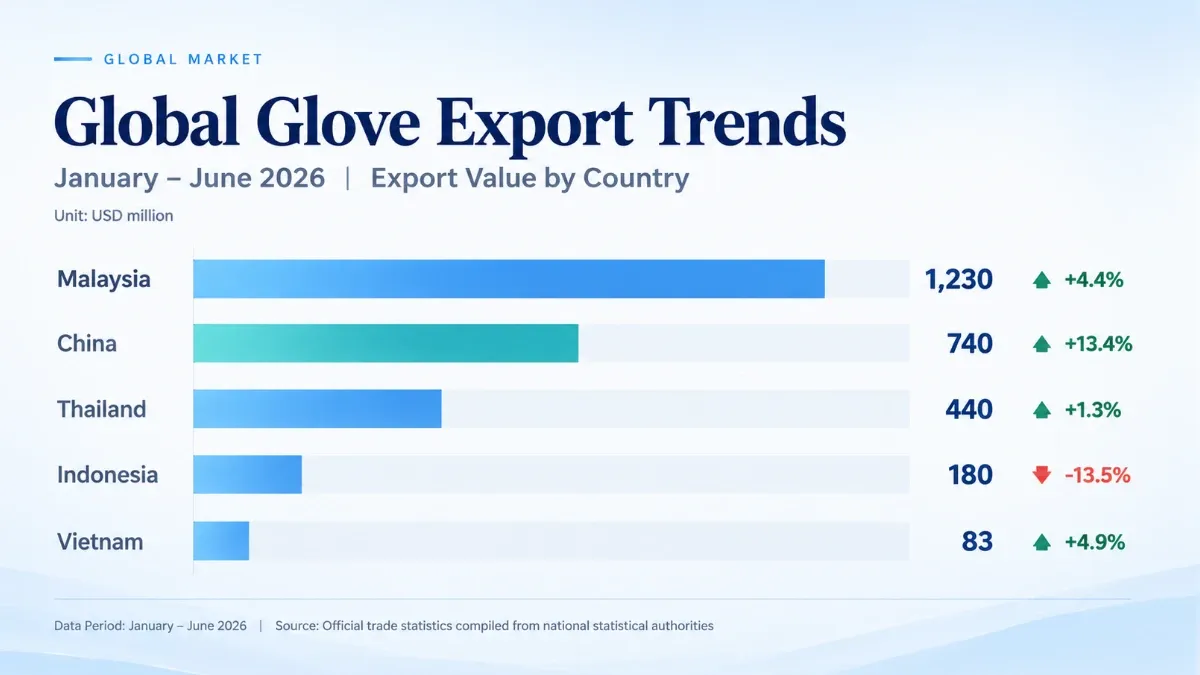
Disposable glove costs depend on several factors, including raw materials, labor, manufacturing efficiency, market demand, and distribution expenses. Healthcare facilities, food service companies, laboratories, and industrial workplaces need reliable glove supplies to maintain hygiene and protect workers. Understanding the economics behind these products helps purchasing teams compare suppliers and plan budgets more effectively.
Businesses must also consider product specifications and supply reliability when reviewing glovesupply.us. A lower purchase price may appear attractive, but quality, delivery schedules, and availability can influence the overall value of an order.
Key Factors Behind Disposable Glove Costs
Raw materials account for a substantial share of manufacturing expenses. Producers use nitrile, latex, and vinyl to create gloves with different properties and intended applications. When material prices rise or supplies become limited, manufacturers may face higher production expenses that affect wholesale prices.
Energy consumption and factory operations also contribute to costs. Glove manufacturing requires specialized equipment, controlled processing conditions, product inspections, and packaging. Equipment maintenance, electricity prices, and production efficiency can influence how much it costs to manufacture each unit.
Labor and quality assurance add further expenses. Manufacturers need trained personnel to monitor production and inspect finished products. Gloves intended for medical or other regulated applications may also require appropriate testing, documentation, and compliance checks.
How Glove Market Demand Influences Pricing
Demand plays an important role in determining prices across the disposable glove market. Healthcare providers use gloves for examinations and patient care, while food processors, cleaning services, and industrial businesses depend on them for hygiene and workplace protection.
When several industries increase their orders at once, manufacturers may struggle to expand output quickly enough. Limited availability can push prices upward, especially when raw materials or transportation capacity are also constrained. In contrast, weaker demand and excess inventory may encourage suppliers to offer more competitive prices.
Public health emergencies, seasonal purchasing patterns, and changes in workplace requirements can also influence buying behavior. Businesses that track usage trends and maintain realistic purchasing forecasts can prepare for changing conditions rather than relying entirely on urgent orders.
Distribution Costs and Glove Supply Chains
Once gloves leave the factory, they move through packaging facilities, warehouses, distributors, and retailers. Each stage can add freight, storage, handling, insurance, and administrative expenses. International shipments may face additional costs from exchange-rate changes, customs procedures, and transportation delays.
Order size also affects purchasing economics. Bulk orders can reduce the cost per unit, but they require more storage space and upfront capital. Smaller orders provide flexibility but may involve higher shipping expenses per unit.
Businesses seeking reliable glove supply solutions should compare the total cost of purchasing rather than focusing only on the quoted price. Minimum order quantities, delivery schedules, stock availability, and supplier communication all influence the overall cost of maintaining inventory.
Managing Glove Purchasing Costs and Quality
Procurement teams can manage spending by reviewing historical usage, comparing supplier quotations, and planning orders around expected demand. They should evaluate material specifications, sizing, packaging, and intended applications before choosing a lower-priced product.
A dependable supplier can help businesses maintain predictable delivery schedules and identify alternatives when particular products become difficult to source. Consistent specifications and quality checks also reduce the risk of receiving gloves that do not meet workplace requirements.
Long-term purchasing agreements may improve price predictability, but businesses should review contract terms, delivery commitments, order volumes, and changing market conditions before making commitments.
Recent Comments